Crafting beers within Ypres’ ancient city walls Offerings to the river: Roman treasures at Museum De Bastei
By Dana Marin | Photo: Museum De Bastei
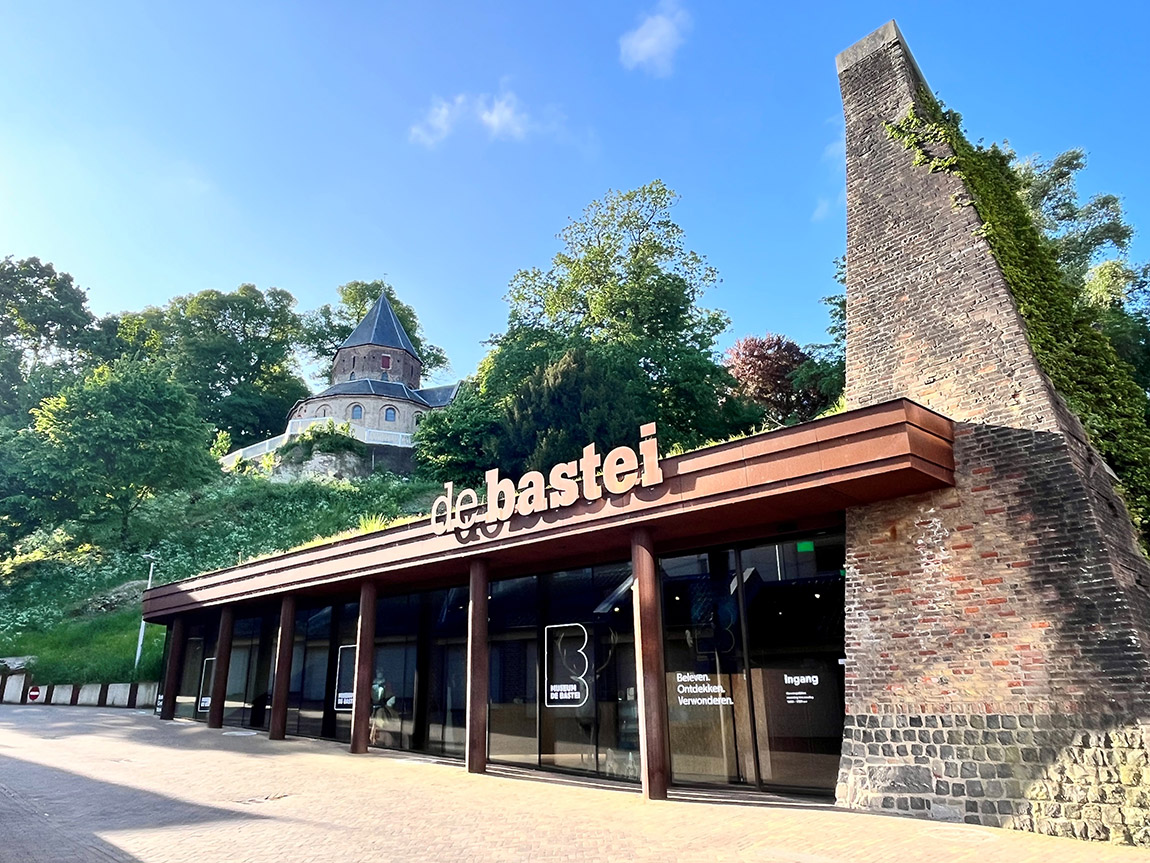
The entrance of Museum De Bastei is situated next to the Veerpoort trappen (Lange Baan 4). The under ground archaeological exhibitions link the entrance building to the main building of the museum
What can a river tell us about the people who lived on its shores – about their lives, hopes and wishes? In the case of the River Waal in Nijmegen, quite a lot, it seems.
With the exhibition Roman Treasures of the Waal, Museum De Bastei takes us on a journey through time to when the northern border of the Roman Empire was set along the river Rhine, of which Waal is a major branch. The exhibition features no fewer than 101 objects discovered on the shores of the Waal over the years, objects that tell stories about the Roman period in the Netherlands (from around 55 BC to around 410 AD).
This is the first time when so many finds from the Waal basin have been shown together. Roman Treasures of the Waal is an evocative exhibition, created in collaboration with the Rijksmuseum van Oudheden (National Museum of Antiquities) in Leiden, as part of Under Us, a project bringing the national archaeological collection on tour across the Netherlands.
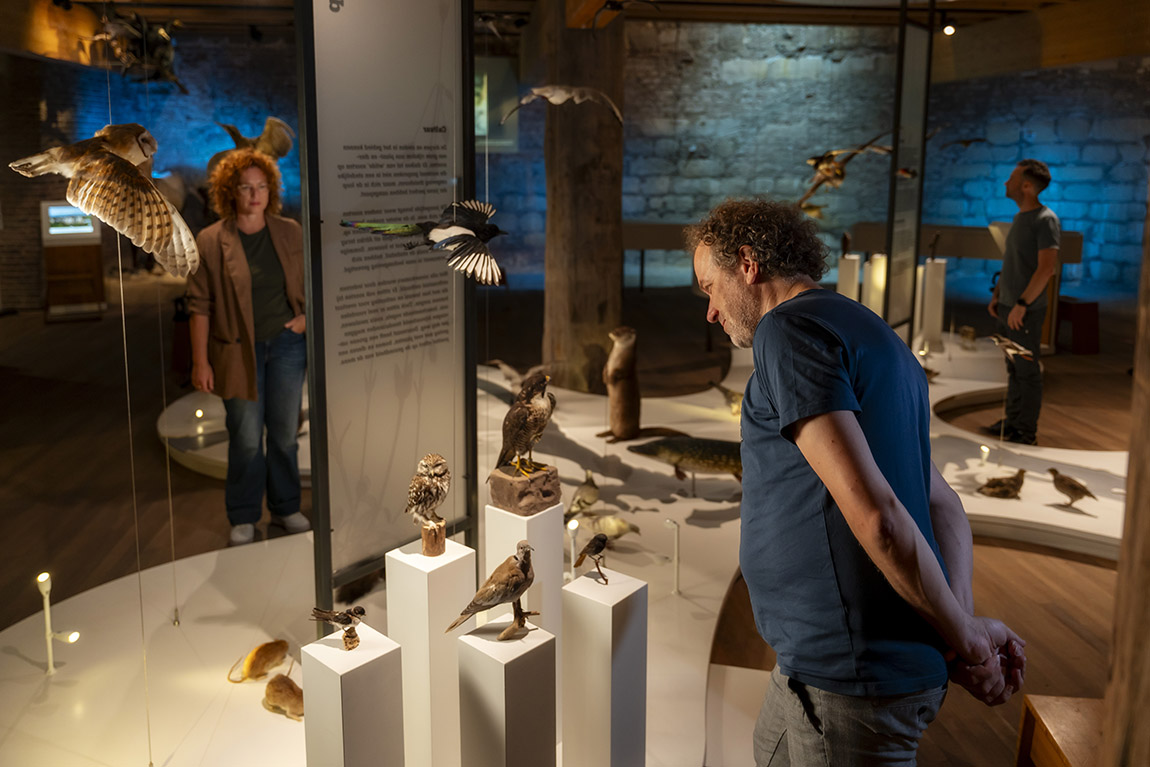
Museum De Bastei combines cultural and natural history to present the story of Nijmegen, the oldest city in the Netherlands, which was shaped by its strategic location at the Waal.
The story of life along the river
For more than seven years, Museum De Bastei has been exploring the story of life along the river Waal. Nijmegen was an important outpost during the Roman occupation of the southern Netherlands. Here, legions of Romans guarded the empire’s border, but they also lived their lives, farmed the land, raised families, and left behind traces of an existence that still echoes through the landscape today.
Life in the proximity of the river was rich and deeply intertwined with the river itself. The museum showcases not only the history of the people who lived here, but also the flora and fauna of the river and its surroundings. Located in a defensive structure of the bastei type, Museum De Bastei is the only place in Nijmegen where you can see and touch original Roman walls.

Roman Treasures of the Waal exhibition.
Past and present spiritual connection
A central theme of the Roman Treasures of the Waal exhibition is the spiritual connection with the river – both past and present. Under the motto ‘What would you sacrifice to the river?’, the exhibition highlights the tradition of offering something valuable to the river god (Rhenus Bicornis, who embodied the Waal and Rhine) as thanks for the good things in one’s life.
“During the Roman period, the river Waal meant many things for the people living here: a defence line, a transportation artery, a food source. But we were most interested in the spiritual aspects of the river, mainly the tradition that, from the Iron Age, people sacrificed weapons or tools – especially iron ones – into the water as offerings to the gods to thank them for a good life or for surviving battles,” says Bas van Lingen, project coordinator for the exhibition. “The Romans adopted this tradition and copied it, so even during the Roman period, many expensive weapons or tools were offered into the Waal.”
The sacrifices made by Romans centuries ago, kept under layers of silt and brought to the surface in modern times, tell us not only what was important to those people, but also about their daily lives, commerce, and military activities. These objects, once valued possessions offered to the river god by those who deemed them worthy, connect us with a lifelong past and remind us of gratitude.
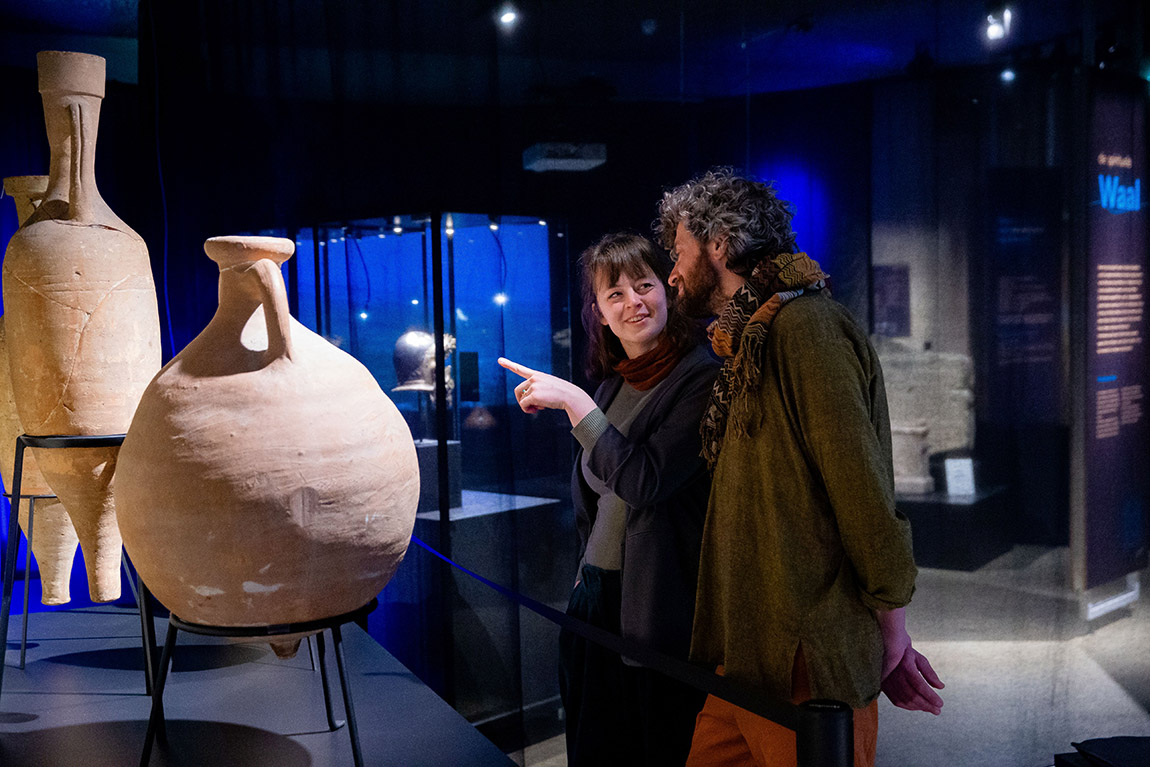
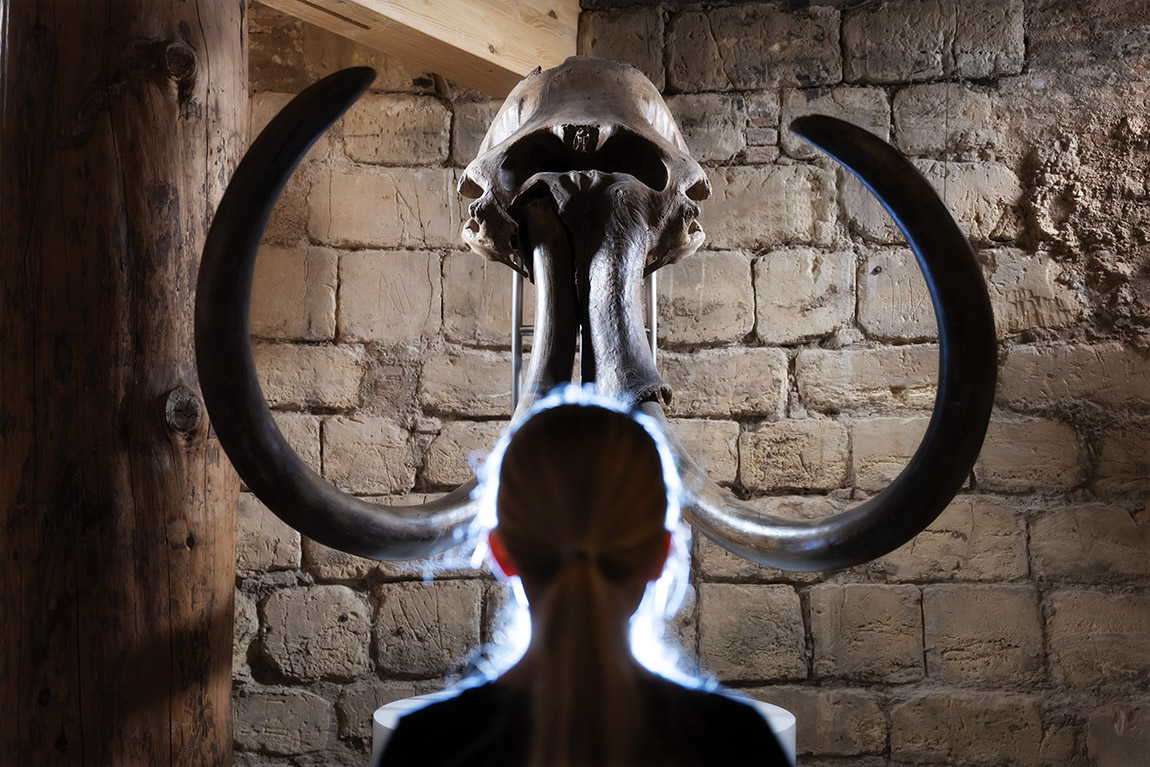
Visitors can see over 100 treasures gifted by the river; after being hidden away in the riverbed, this is the first time that this many regional finds are presented together in one exhibition.
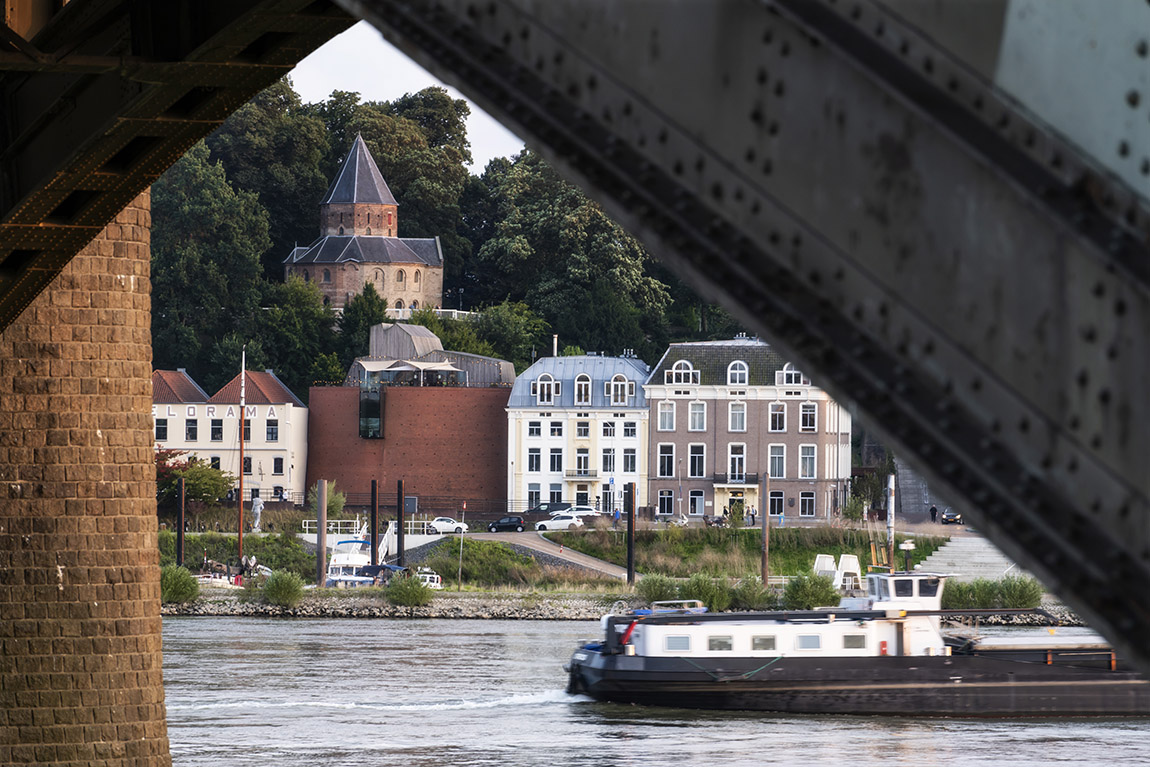
The red defence tower of Museum De Bastei is located at the Waalkade in Nijmegen. It forms a gateway between city and nature.
The five themes of treasures
The treasures from the Waal are presented through five themes: living, food, transport, border control, and spirituality. Each theme features a highlighted masterpiece: a silver bowl, a signet ring, a figurine of Mercury, a sword with scabbard, and a rider’s helmet with face guard. This helmet, known as the helmet of Vanius, is the exhibition’s proudest object.
The exhibition also includes a variety of activities, such as workshops, lectures, and children’s programmes, all designed to explore life along the Waal during Roman times.

Visitors can marvel at the 16th century defence tower.
“We liked the concept of offerings made as thanks for what we already have, so we used this concept in the activities in the exhibition. Instead of weapons, Romans would also write their gratitude on votive stones (votiefstenen). As an activity during the exhibition, visitors can create their own votive stones – either on paper or, during special workshops, using real clay. We give them something to think about,” Bas says with a smile.
The exhibition will be on display until 26 October 2025.

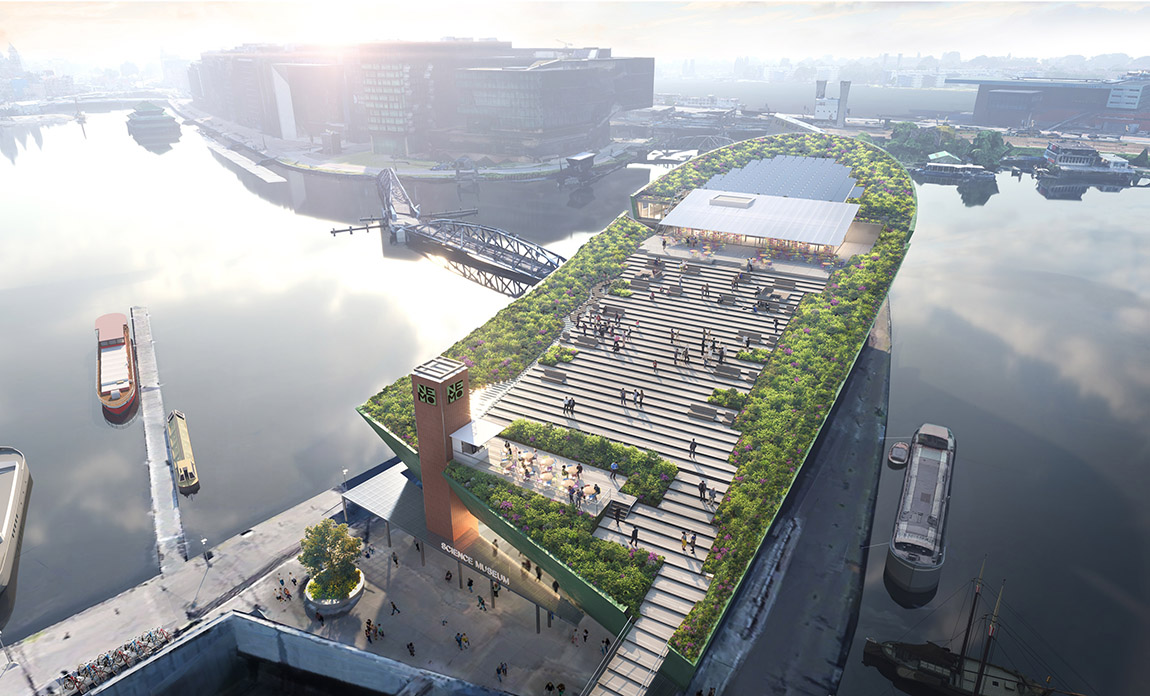
The roof terrace provides amazing views of the river, the iconic bridges and the unique Riverpark of Nijmegen.
Museum De Bastei
Lange Baan 4
6511 XJ Nijmegen
024-3297070
info@debastei.nl
Web: www.debastei.nl
Facebook: museumdebastei
Instagram: @de_bastei_
LinkedIn: @de_bastei_

Subscribe to Our Newsletter
Receive our monthly newsletter by email