Luxembourg City: A surprising capital shaped by nature and history
By Paola Westbeek
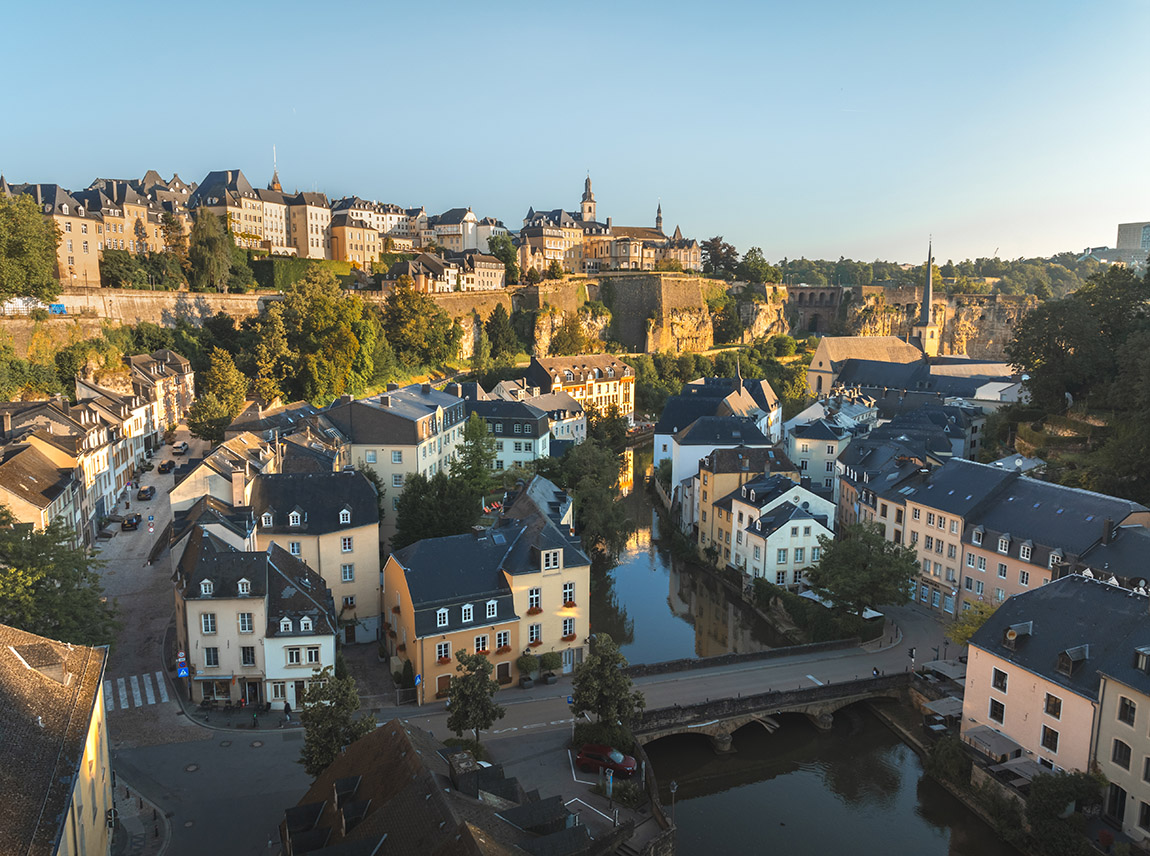
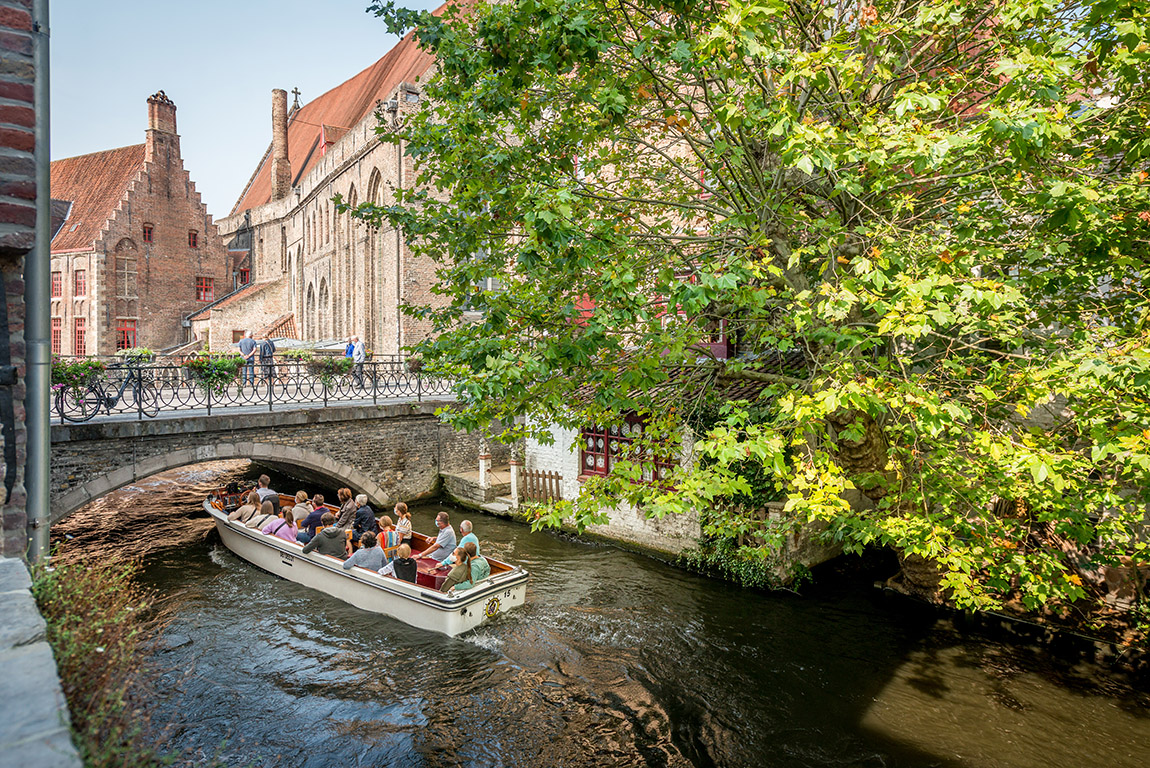
The Grund district - one of Luxembourg City’s oldest neighbourhoods. Photo: Pierre BK
Luxembourg City may be small in size, but it delivers an experience that rivals Europe’s largest capitals. Blending spectacular landscapes, rich history and a vibrant international spirit, the city offers visitors a unique mix of culture and calm – all within minutes of each other.
What immediately sets Luxembourg City apart is its extraordinary setting. Built across deep valleys and steep cliffs, the city feels almost sculpted by nature itself. Bridges stretch across dramatic drops, connecting districts that seem worlds apart yet are only moments away. According to the Luxembourg City Tourist Office (LCTO), “Luxembourg City stands out for its rare combination of nature, history, and international flair – all within a very compact space.”
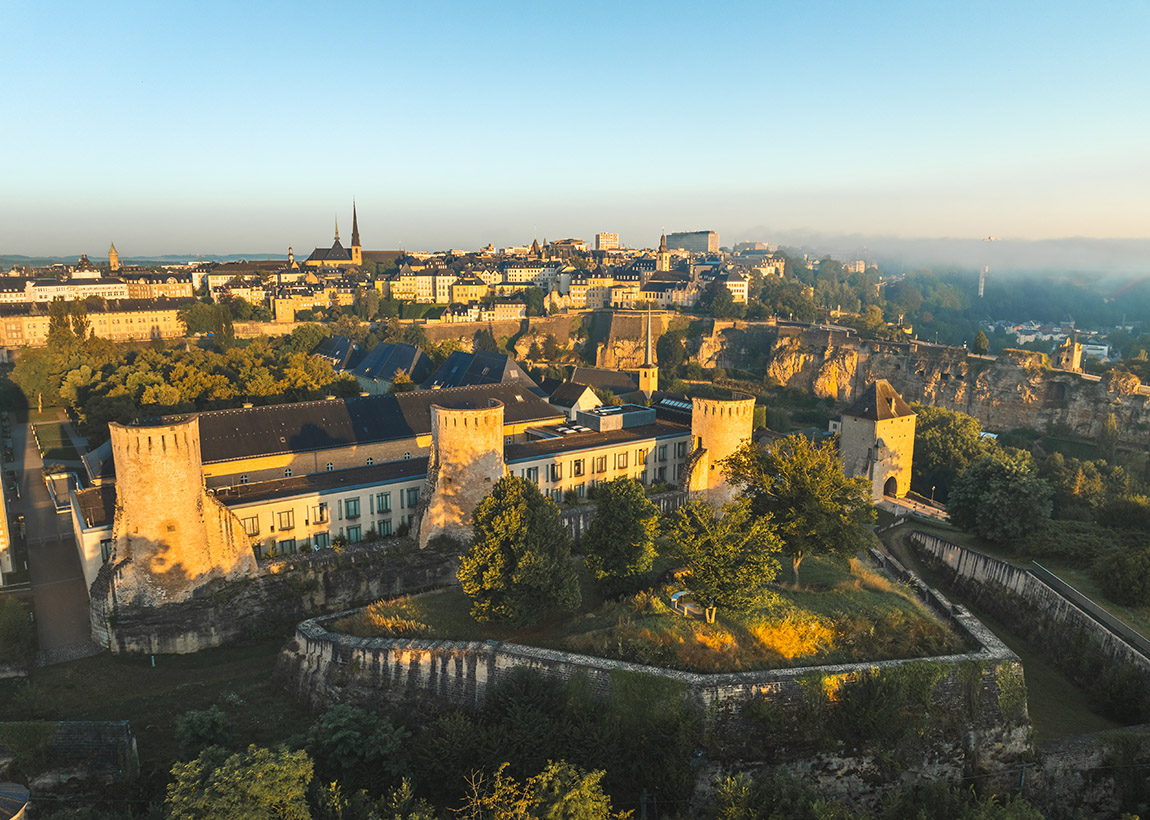
Plateau du Rham. Photo: Pierre BK
This unique topography has shaped not only the city’s appearance but also its identity. The historic fortifications, expanded over centuries, are among the most impressive in Europe. These structures earned the old town its UNESCO World Heritage status in 1994 and continue to tell the story of a place that was once a strategic stronghold.
Walking through the city, visitors encounter layers of history at every turn, from mediaeval ramparts to elegant squares. Landmarks such as the Grand Ducal Palace (dating back to the late 16th century and the residence of the ducal family), the Cathédrale Notre-Dame (situated on the edge of town and built by the Jesuits between 1613 and 1621) and the double-arched Adolphe Bridge (spanning the Pétrusse Valley since the early 20th century) reveal how the city evolved through the ages.
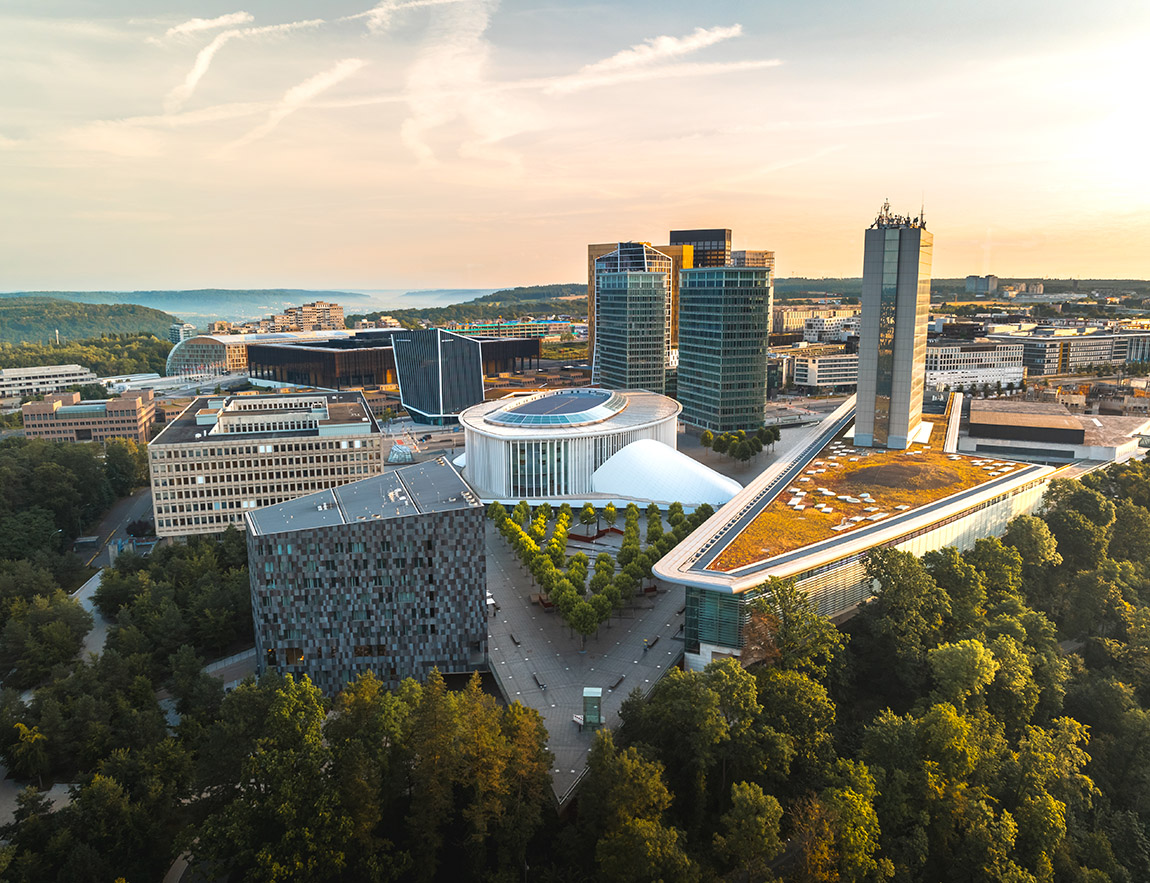
Place de l’Europe, Kirchberg. Photo: Pierre BK
A cosmopolitan atmosphere with a local soul
Despite its historic roots, Luxembourg City is remarkably modern. Nearly 70 per cent of its residents come from abroad, creating a multicultural environment that shapes everyday life. Visitors can expect a relaxed, safe and welcoming atmosphere, paired with a distinctly international and cosmopolitan vibe.
This diversity is reflected in the city’s multilingual culture. Luxembourgish, French, German and English are widely spoken, making it easy for visitors to navigate daily life. Whether ordering in a café or exploring a museum, communication feels effortless.
Yet the city has managed to preserve a strong sense of identity. Its customs, local cuisine and historic neighbourhoods remain central to its character. The result is a place that feels both peaceful and vibrant, where international influences blend naturally with local traditions.
This balance is perhaps most evident in the city’s rhythm. It is lively yet relaxed, combining the energy of a European capital with peaceful corners to unwind. Visitors can spend the morning exploring historic sites and the afternoon relaxing in a park or along a quiet riverside path.
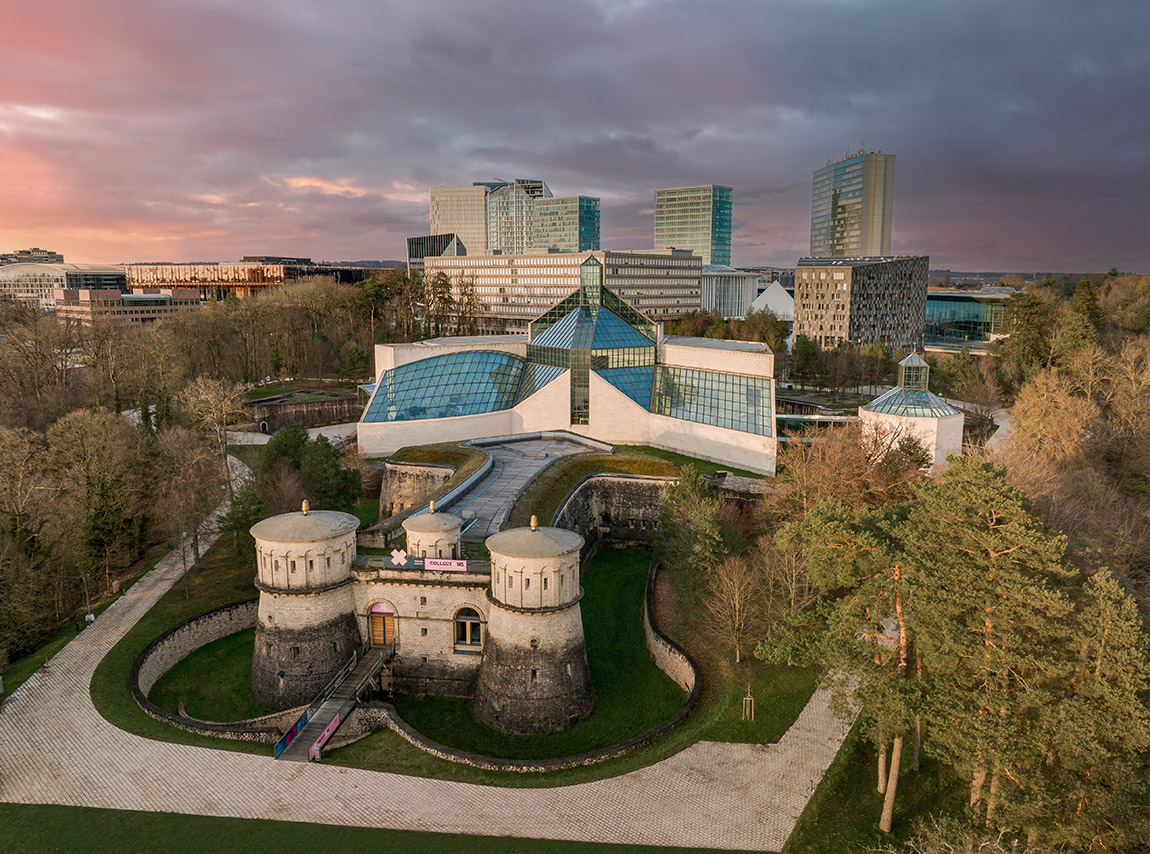
Musée Dräi Eechelen & MUDAM, Kirchberg. Photo: Pierre BK
Experiences that blend nature, culture and lifestyle
Luxembourg City’s urban layout makes it ideal for exploration. Many of its highlights are within walking distance, allowing visitors to move effortlessly between UNESCO-listed heritage sites, historical treasures, cultural landmarks and natural retreats.
Among the must-see spots are the Bock Casemates, a vast network of underground galleries, and the Chemin de la Corniche, often called Europe’s most beautiful balcony for its sweeping views. The Pfaffenthal Panoramic Elevator offers a striking transition between the upper and lower city, while viewpoints like the Place de la Constitution provide unforgettable vistas over the Pétrusse Valley.
Nature is never far away, making Luxembourg one of Europe’s greenest capitals. The valleys of the Pétrusse and Alzette rivers cut through the city, offering green corridors perfect for walking, jogging or simply unwinding. Thanks to its unique topography and abundance of green spaces, visitors can spend the day exploring historic sites before unwinding in nature, often just a few minutes away.
In summer, the city truly comes alive. Outdoor terraces fill with life, rooftop bars buzz with activity and riverside districts like Grund and Clausen take on a relaxed, festive atmosphere. A rich cultural programme, including open-air concerts, exhibitions and traditional events, adds to the city’s energy.
Food is another highlight. Visitors can sample traditional dishes such as Judd mat Gaardebounen or Gromperekichelcher, often paired with wines from the nearby Moselle region. At the same time, the city boasts a remarkable range of international cuisine, including a high concentration of Michelin-starred restaurants.
For active travellers, Luxembourg City offers plenty of options. Urban walking trails, scenic cycling routes and panoramic viewpoints make it easy to stay active while sightseeing. As a fully walkable destination with free public transport across the country, getting around is both simple and efficient.
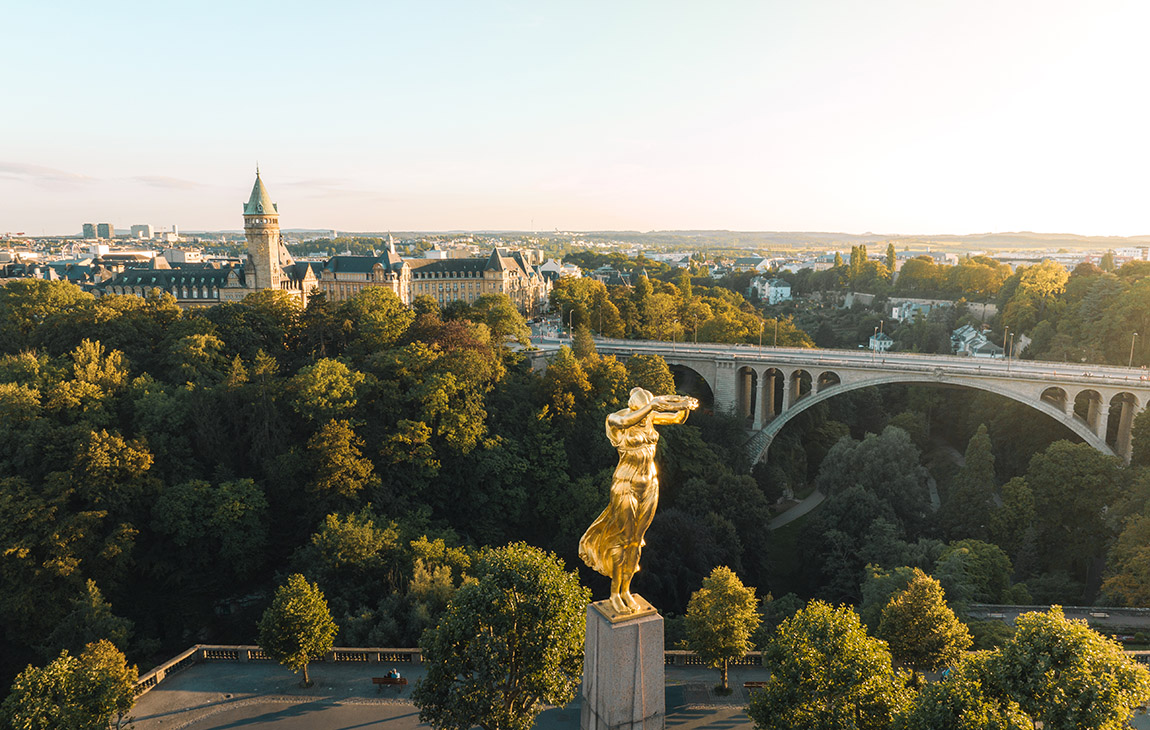
The Gëlle Fra memorial and the Adolphe Bridge. Photo: Pierre BK
A destination worth discovering
What ultimately makes Luxembourg City special is how much it offers within such a small area. Few capitals combine spectacular scenery, rich history and a cosmopolitan lifestyle quite like this Benelux gem does. Whether drawn by its historic fortifications, its panoramic views or its vibrant cultural scene, Luxembourg City delivers an experience that is intimate yet expansive. It is a place where every corner reveals something new – and where everything is closer than you expect.
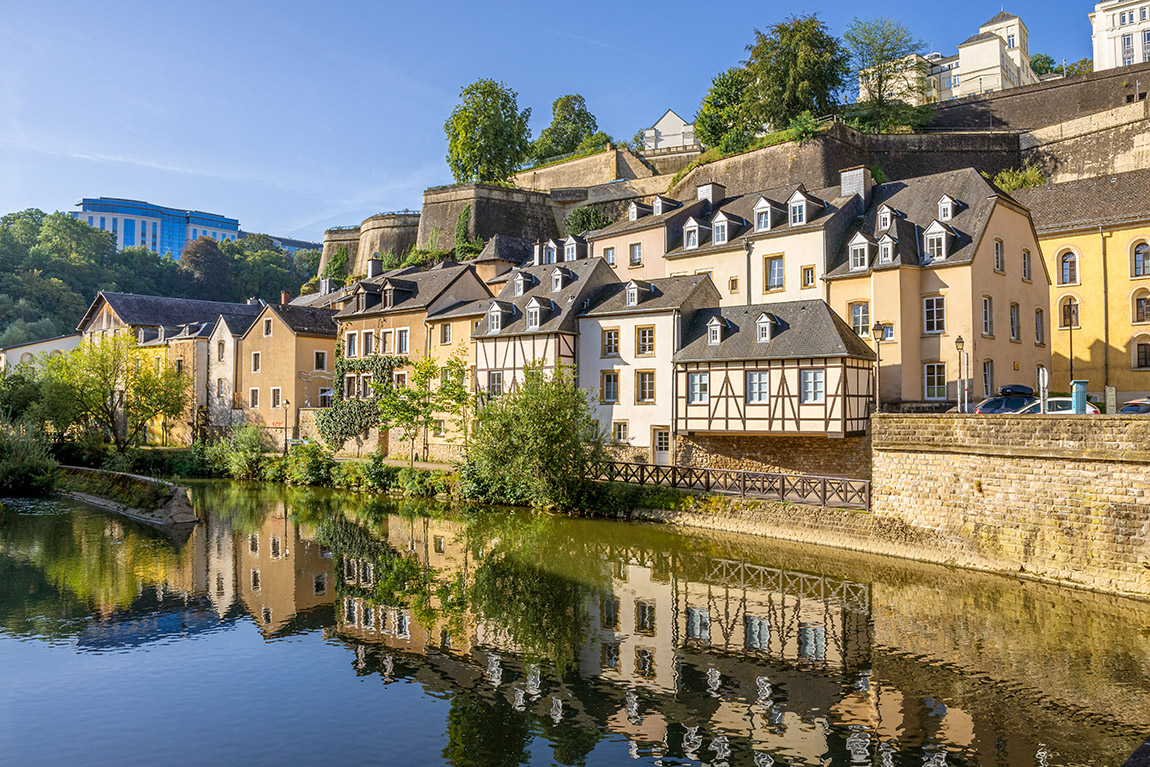
Grund district. Photo: Gilles van den Abeele
www.luxembourg-city.com
Facebook: Luxembourg City Tourist Office - LCTO
Instagram: @my_luxembourg

Subscribe to Our Newsletter
Receive our monthly newsletter by email