Good evening, Europe! This is Belgium, the Netherlands and Luxembourg calling.
By Karl Batterbee
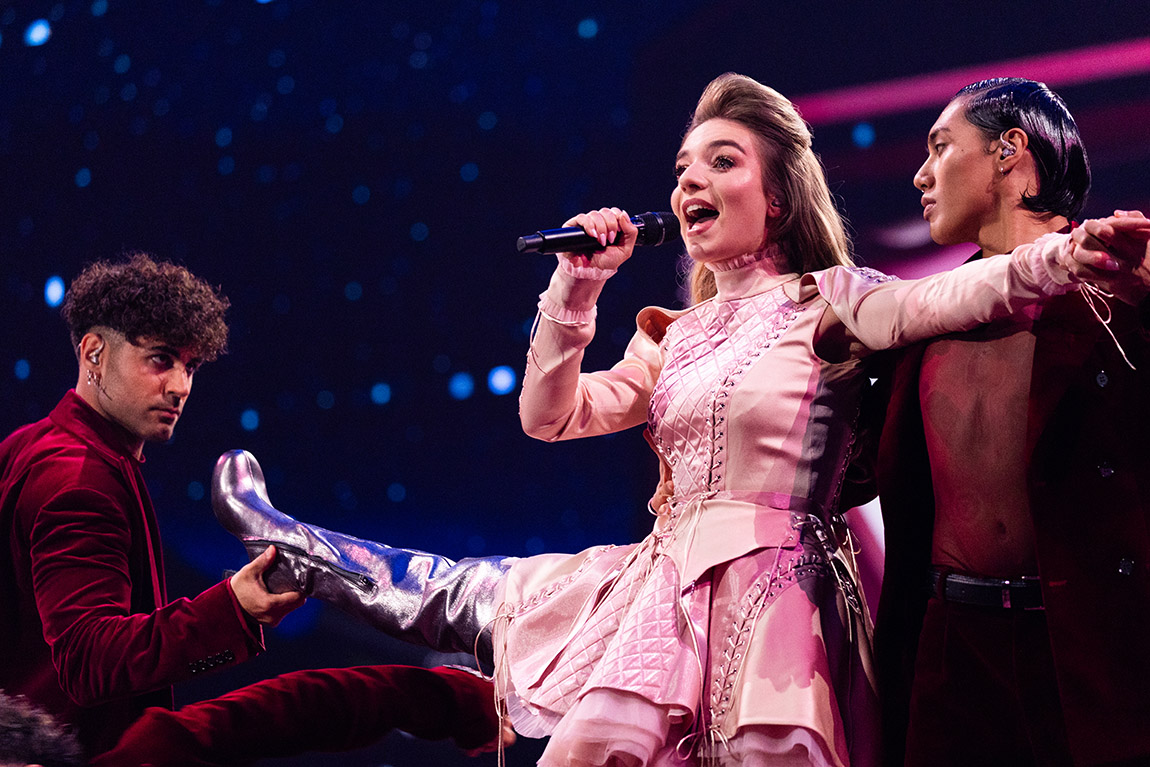
In 2025, Luxembourg paid tribute to the 60th anniversary of its most famous Eurovision winner (Poupée De Cire, Poupée De Son by France Gall) with the more modern and feminist La Poupée Monte Le Son by Laura Thorn. Photo: Corinne Cumming
As the Eurovision Song Contest celebrates a new milestone in May 2026, Discover Benelux looks back over the most iconic contributions that the three countries have made towards the long-running competition, as well as the stories they continue to write in song.
70 years ago, the Eurovision Song Contest held its very first edition in Lugano, Switzerland. Back in 1956 there were just seven countries taking part, but Belgium, the Netherlands and Luxembourg were right there from the very start. Across the 69 Contests to have happened since, the Benelux region has made quite the impression, with compositions from the trio being responsible for 11 victories (so far!).
The Netherlands in particular was a Eurovision powerhouse in the early years of the competition. It was the first nation to win the Contest twice, just four years in, at Cannes 1959. And by the time the Eurovision Song Contest was celebrating its 20th anniversary in 1976, the Netherlands was actually hosting it thanks to its fourth victory (and we are all familiar with Ding-a-Dong, right?). At that point the Dutch were tied as the record holders for most wins with two other countries: France and Luxembourg.

The Netherlands’ 2019 Eurovision champion – Arcade by Duncan Laurence – remains the most streamed Eurovision song of all time on Spotify, where it was the first to hit one billion plays. Photo: Thomas Hansen
Parlez-Vous Français?
Luxembourg, back then another major player on the international stage of song, was chalking up victories and top-tier results at a rate that seemed to be punching above its size. But no one could deny that The Grand Duchy had a fantastic skill for spotting international talent and drafting them in to fly the Luxembourg flag at Eurovision. Greece’s Nana Mouskouri was an early representative of Luxembourg in 1963, while they ended up doing even better on the scoreboard with another Greek artist a decade later – Vicky Leandros, who brought Luxembourg its third victory with Après Toi. Later in the ‘70s they would be represented by the beloved Spanish duo Baccara (Parlez-Vous Français?), and they even managed to convince Belgian superstar Lara Fabian to sing for them before Belgium had a chance to, with Croire giving them a fourth-place finish in 1988.
Belgium might be trailing behind its Dutch and Luxembourg neighbours on Eurovision trophy hauls (one to their five apiece), but that victory did end up changing the course of the Contest forever. At Bergen 1986, Belgium claimed its sole win with J’aime la Vie, performed by 13-year-old Sandra Kim. It made her the youngest winner in Eurovision history – a record that will likely stand forever due to the increased minimum age requirement that was implemented the following year!
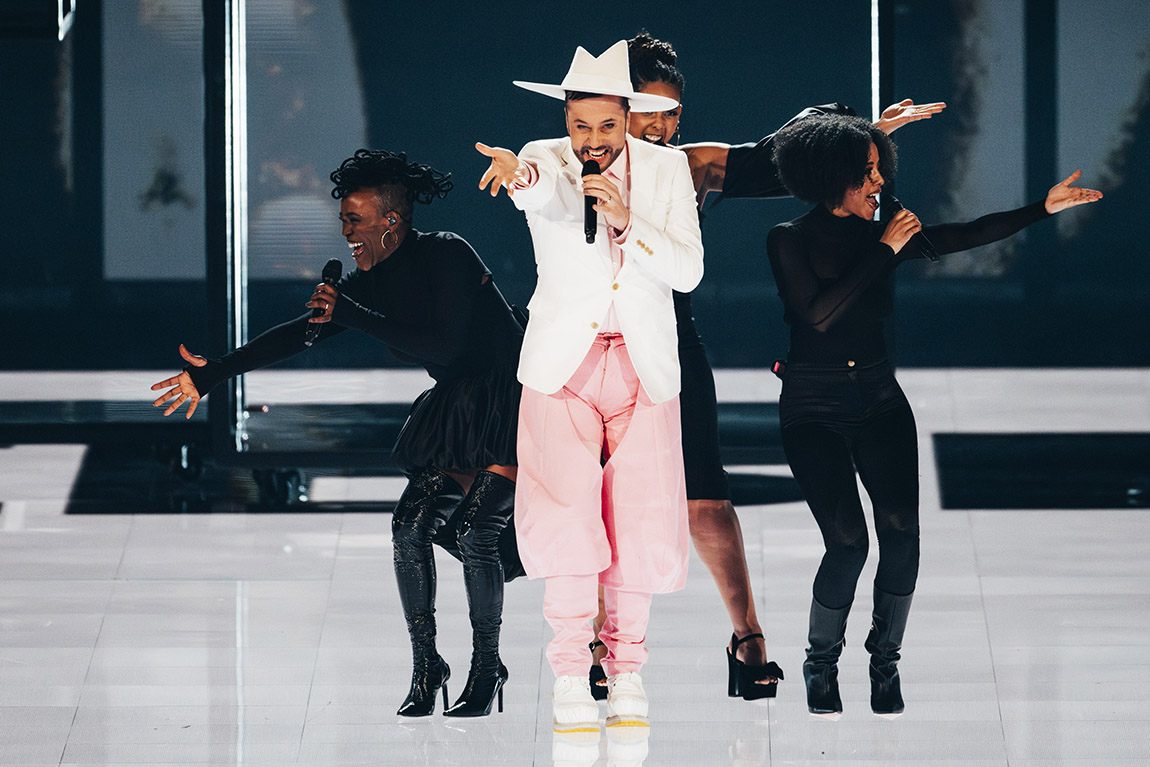
One of Belgium’s most popular songs with Eurovision fans is Gustaph’s party-starting Because of You, from Liverpool 2023. Photo: Sarah Louise Bennett
From Ding-a-Dong to TikTok
In recent years, major new records have been set courtesy of the Netherlands. Their win in 2019 came thanks to Arcade by Duncan Laurence and was the nation’s long-awaited fifth trophy, coming a whole 44 years after its fourth. Arcade went on to chart in 26 countries across Europe following its win, but 18 months later, in late 2020, the song started to have a big viral moment on the social media platform TikTok. By the spring of 2021, Arcade had become the first Eurovision song of the 21st century to chart on the US Billboard Hot 100, where it would eventually peak at number 30. And in August 2023, it became the first Eurovision song to surpass the one billion streams milestone on Spotify, where it currently remains the most played Eurovision Song Contest entry of all time.
As well-received as the Dutch Eurovision winner was across the pond, however, it pales in comparison to the US chart success that Luxembourg was responsible for with one of its entries back in the late ‘60s. Some years before winning the Eurovision Song Contest for Luxembourg with Après Toi, Vicky Leandros had attempted victory in 1967, representing them with L’amour Est Bleu, which achieved a more modest result of fourth-place. Recognising the Contest for the unique platform it is to showcase your song, Greek-born Vicky had recorded L’amour Est Blue in multiple languages all set for release across Europe and beyond. A year later, an instrumental recording of the song by conductor Paul Mauriat would be released in the United States as Love Is Blue. The single went on to spend five weeks at number one on the US Billboard Hot 100 and its imprint on pop culture is such that it has been used in television shows ranging from Mad Men to The Simpsons, half a century on.
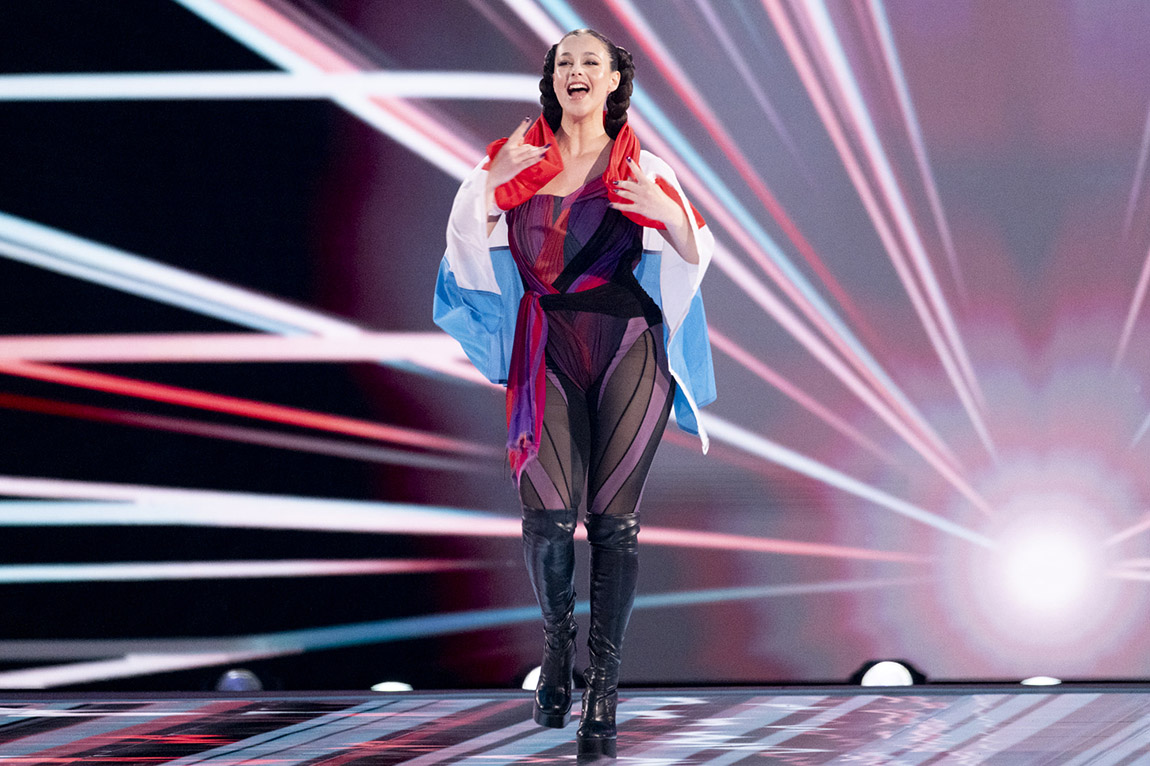
TALI flew the Luxembourg flag at the Eurovision Song Contest in 2024, reaching the Grand Final with Fighter. Photo: Sarah Louise Bennett
The sounds have changed, and so have the dolls
70 years into its run and the Eurovision Song Contest has come a long way from its ballad beginnings. Belgium has managed to adapt very well to changing tastes in the 21st century, with a firm reputation as a reliable bringer of beats! The country sent dance-pop icon Kate Ryan to represent them in 2006, and has scored some of its best results in recent years with electro anthems Rhythm Inside (by Loïc Nottet in 2015) and City Lights (by Blanche in 2017). But few Belgian entries have been celebrated quite like Gustaph’s Because of You. At Liverpool 2023 the piano-house inspired vogueing spectacle brought the house down, giving Belgium a Top 10 finish despite having been poorly favoured in the odds prior to the show. And at Basel 2025, Belgium took audiences to the club once more, thanks to Red Sebastian’s bpm-smashing Strobe Lights.
Luxembourg’s Eurovision chapter in the 21st century has been much, much shorter. In fact, it was not until Malmö 2024 when it even started. The Grand Duchy, who had once held the record for most victories with France (on five apiece, from 1983 until Ireland claimed a sixth in 1994) had not participated at the Contest since Dublin 1993. Their return in 2024 after 31 years brought with it much attention, with their comeback song – Fighter by TALI – going on to finish in 13th place in the Grand Final. One year on and Luxembourg was already paying tribute to its glorious Eurovision part. At Basel 2025 their entry was La Poupée Monte Le Son, performed by Laura Thorn. Picking up where a classic Eurovision winner for Luxembourg left off – Poupée De Cire, Poupée De Son by France Gall – Laura’s present-day ‘poupée’ is a more empowered doll. The tribute to the 1965 classic is also a role reversal of the lyrics, which were penned by iconic singer, actor and director of that era, Serge Gainsbourg. Whereas the doll in the France Gall song was controlled by a man, things are mercifully a lot different 60 years later in 2025 – this doll is pulling her own strings now!
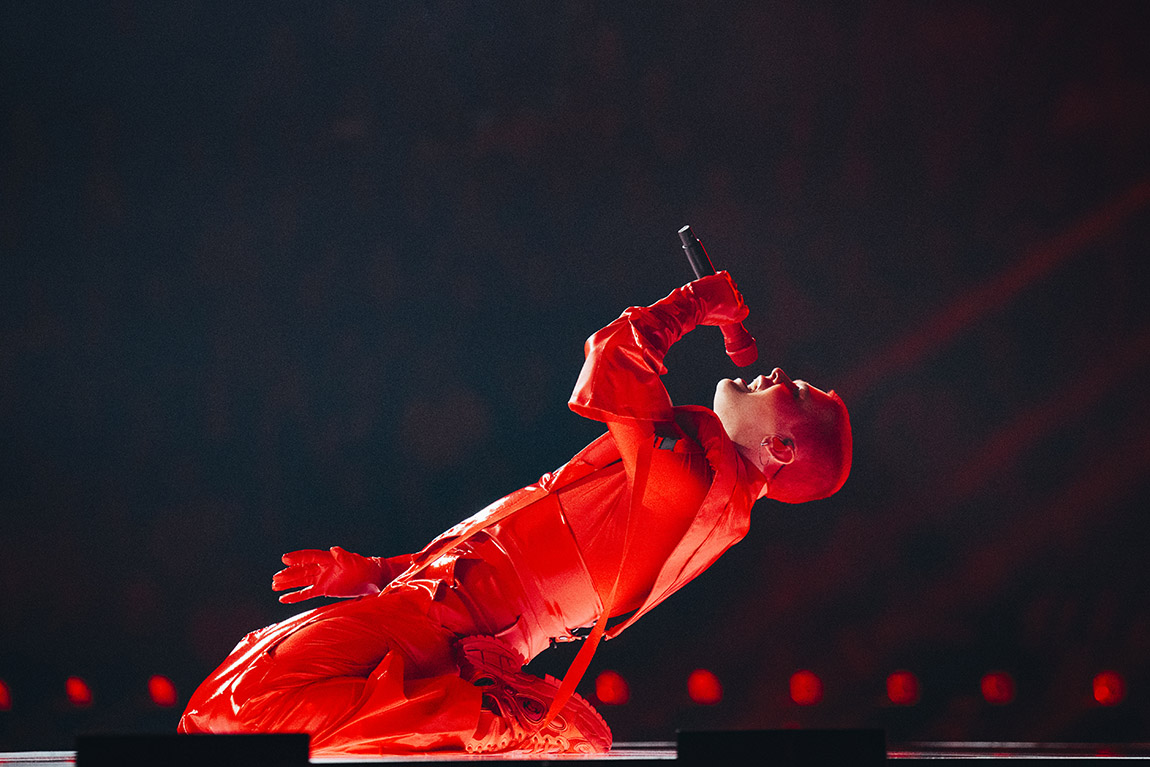
Belgium took Eurovision audiences to the clubs in 2025, thanks to Red Sebastian’s Strobe Lights. Photo: Sarah Louise Bennett

Subscribe to Our Newsletter
Receive our monthly newsletter by email